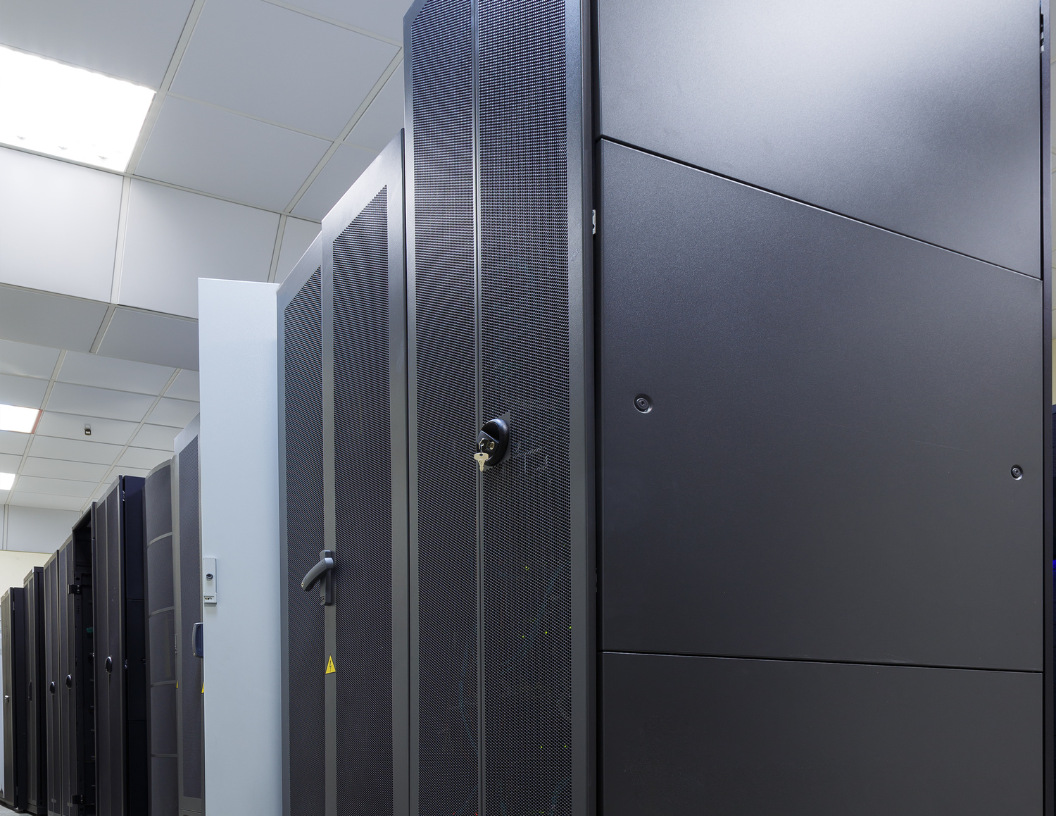
Banking runs on mainframes. Those of us who work in mainframes understand that, but most people likely do not. These platforms process millions of transactions every day with a level of reliability and throughput that no other architecture has been able to match. As digital banking has expanded, the stakes around securing these systems have only gotten higher. This isn’t a “nice to have” conversation anymore.
Mainframes have earned their place at the center of banking operations. They handle everything from routine deposits to complex financial instruments, and they do it with the kind of uptime that keeps customers and regulators from asking uncomfortable questions. And thanks to the continuous investment from IBM into these servers, they also have the flexibility to integrate with newer technologies while keeping core operations stable. This matters a great deal when you’re trying to modernize without introducing risk.
Having said that, no platform is bulletproof, but the weak link is almost never the mainframe itself. Cybercriminals are getting more sophisticated, and the financial industry is one of their most attractive targets. But here’s what the industry doesn’t talk about enough: most security failures in banking environments don’t originate from a direct attack on the mainframe. They originate from human mistakes.
What mainframes do well on the security front is worth acknowledging, and the z16 raised the bar significantly. IBM added pervasive encryption, meaning that the data residing on the mainframe remains encrypted in a way that makes direct compromise extraordinarily difficult. It also includes the ability for banks to leverage quantum-safe APIs for their applications to access mainframe data in a hybrid cloud environment.The platform itself is doing its job. The vulnerability tends to appear the moment humans start moving data off of it.
Two mistakes show up repeatedly. The first is copying sensitive data from the mainframe to distributed servers or cloud environments. Once that data leaves the mainframe, it leaves behind the security architecture that was protecting it. It’s now sitting in an environment with a very different risk profile, and it only takes one misconfigured setting or overlooked access control to expose it. The second is applications or APIs built with open source components that communicate with other mainframe programs or servers. Open source has a lot going for it, but embedded code vulnerabilities are a known and persistent problem. An application or API written without rigorous security review becomes an open door that has nothing to do with the mainframe’s own defenses.
Access controls keep sensitive information in the hands of people who are supposed to have it. Real-time monitoring gives banks the ability to spot unusual behavior as it happens rather than discovering a breach after the damage is done. These aren’t theoretical capabilities, they’re active defenses that make a real difference. But they work best when the humans operating in these environments are trained to recognize where the real risks live.
The challenge is that good security requires ongoing attention. Threat actors don’t stand still, which means banks can’t either. That means keeping security protocols current, evaluating where AI and machine learning can sharpen threat detection, and conducting regular audits to find the gaps before someone else does. A meaningful portion of that audit work should focus not just on the mainframe itself, but on every place that mainframe data travels once it leaves the platform.
The bottom line is this: mainframes remain one of the most secure and capable platforms in enterprise servers, and continuous innovations by IBM are making them more so. But security is not a feature you configure once and forget, and the mainframe can only protect what stays on it. For banks, the institutions that maintain customer trust over the long haul are the ones that take human error as seriously as they take technology risk.
Note: Content originated from the IBM Community Blog